
ALTA Land Title Survey for Data Centers Facing Zoning Changes
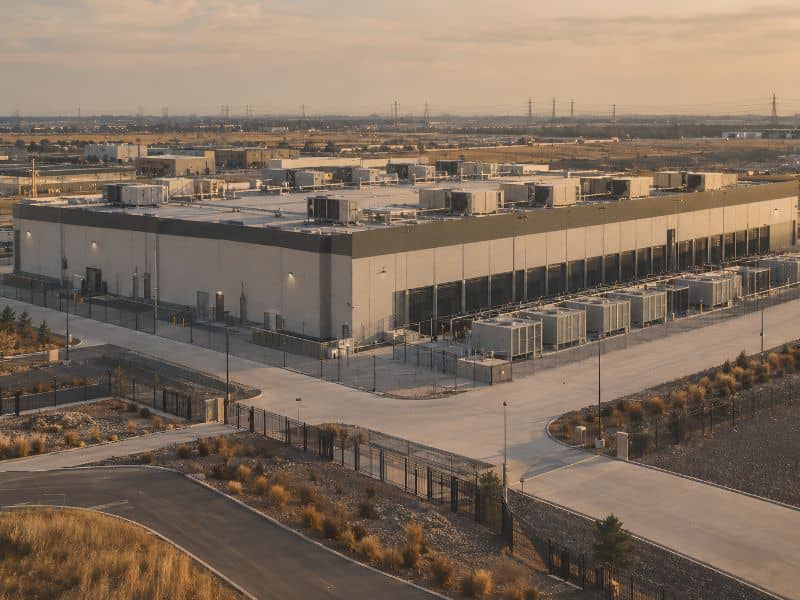
A rezoning notice rarely lands at a good time for a data center owner. It usually shows up when a new building is already sketched, power has been requested, and a lender is lined up. Suddenly the setback you counted on may be wider, or a buffer rule may cut into the yard where generators were going to sit.
Those changes don’t always stop a project, but they can reshape it. The owners who move fastest are the ones who already know exactly what their site holds. They can show planners, lenders, and engineers where every line, easement, and structure sits.
That’s the value of a current ALTA land title survey. It puts boundaries, recorded rights, and physical improvements on one drawing tied to your title commitment. Order it before design gets far along, and you’ll make zoning decisions with facts instead of assumptions.
Why Zoning Changes Matter for Data Center Property Development
Data center campuses are built in phases, often over many years. Each phase depends on the zoning in place when it goes through review. A rule change between phase one and phase two can shift what’s possible on the remaining land.
New rules may touch building height, setbacks from homes, screening, noise, or the placement of cooling and backup power equipment. Some communities have started writing standards aimed at large data facilities. What applies to your site depends on the local code and how your property is classified, so confirm it with the planning office or a land use attorney.
Existing buildings are often allowed to stay as they are. Expansion is where new rules usually bite. That makes accurate site data most valuable right before you plan the next phase.
What an ALTA Land Title Survey Reveals About Site Restrictions
An ALTA land title survey maps the recorded and visible conditions that limit how land can be used. The surveyor reviews the title commitment and plots each easement, setback line, and restriction that can be located. Buildings, fences, pavement, and utility structures are shown too.
This matters because restrictions live in different places. Some come from old plats, some from recorded covenants, and some from agreements signed with utility companies decades ago. The survey pulls them together so you can see how they stack up on the ground.
Zoning data can be added when the client or title company provides it. Through optional Table A items, the surveyor can show setbacks, height limits, and parking counts taken from a zoning report or letter. The surveyor reports what’s provided, while the city or county decides how the rules apply.
Reviewing Utility Easements and Access Rights for Data Center Infrastructure
Power is the first constraint on most data center sites, and power lines bring easements with them. A transmission easement can bar buildings, limit fill, or restrict equipment height inside its corridor. Those terms are written in the easement document, so the drawing and the document need to be read together.
Before an expansion, review every easement that touches the area you plan to build on. Some will be harmless. Others can block a building pad outright. Pay close attention to:
- Electric transmission and distribution easements
- Gas pipeline easements and their marker locations
- Water, sewer, and fire line easements
- Fiber and telecom routes, including blanket easements
- Drainage easements tied to detention ponds or channels
Blanket easements need special care because they don’t name a specific location. Ask your title company whether any can be released or narrowed to a defined strip. Doing that before design can free up land you thought was off limits.
Access gets overlooked until construction starts. Delivery trucks, cranes, and fire apparatus all need legal and physical routes onto the site. Confirm that every entrance you rely on sits on your land or within a recorded access easement shown on the survey.
How Survey Data Supports Zoning Compliance and Site Planning
Zoning review runs on measurements. Planners want to see distances from buildings to property lines, the size of buffers, and the location of screened equipment. Survey data gives your engineer the base map to show all of that with confidence.
The ALTA land title survey handles boundaries, easements, and improvements. A topographic survey adds grades and elevations, which shape drainage, pad heights, and how tall a building looks from the street. Many teams order both at once so the civil design starts from one consistent base.
Take the survey drawings into pre-application meetings. Staff can point out problem areas early, and you can adjust before formal submittal. That’s often cheaper and faster than redesigning after review comments come back.
Preparing Data Center Expansion Plans With Updated ALTA Survey Information
A survey from the original purchase may not reflect today’s site. Utilities add equipment, roads get widened, and new easements get recorded as a campus grows. An updated ALTA land title survey shows the property as it stands now.
Plan the update around your key dates. Lenders and title companies often set their own limits on how old a survey can be, and those limits vary by deal. Large campuses also take longer to survey, especially when crews need escorts or security clearance.
Give your surveyor the current title commitment, earlier surveys, and a draft site plan when you request a quote. Share any zoning report you have as well. With those in hand, the scope can focus on the areas your expansion will actually touch.
Frequently Asked Questions
Why do data centers need an ALTA land title survey?
Data center deals involve large loans, complex utilities, and tight schedules. An ALTA land title survey shows lenders and title insurers exactly what’s on the property and what rights affect it. It helps uncover encroachments, easement conflicts, and access gaps before money is committed. Lenders often require one, though the scope varies by deal.
Can an ALTA survey identify zoning restrictions on a property?
An ALTA survey can display setbacks, height limits, and parking requirements when that information is supplied for the optional zoning items. The surveyor typically works from a zoning report or a letter from the local government. The survey shows the data but doesn’t rule on whether the site complies. Final compliance questions belong with the planning office or a zoning professional.
How do zoning changes affect existing data center facilities?
Existing facilities are often allowed to continue under the rules in place when they were approved. Additions, new buildings, or major equipment changes may need to meet the updated standards. Each community handles nonconforming sites in its own way. Review the new ordinance carefully before you plan the next phase.
What utility easements should be reviewed before data center expansion?
Start with electric transmission and distribution easements, since they shape where buildings and substations can go. Gas, water, sewer, and fiber easements also deserve a close look. Drainage easements matter if you plan grading or new detention. Read each recorded easement to learn its width and any limits on structures or fill.
When should a data center developer update an ALTA survey?
Update the ALTA land title survey before new financing, a sale, or a major expansion. It’s also smart to update after a rezoning, new easement filings, or nearby road work. Title companies and lenders may only accept surveys within a set time frame. Ask early so the survey schedule doesn’t push back your closing or permit.